Felix Russell · 2 September 2026
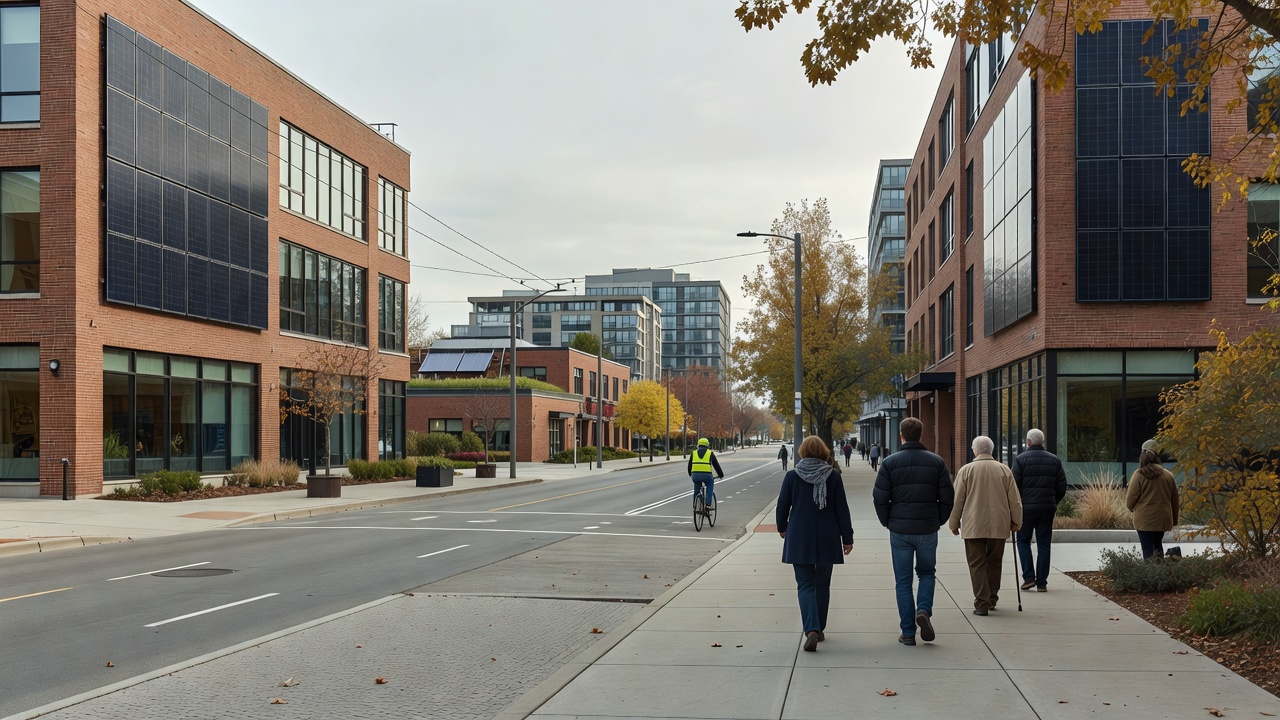
A new peer-reviewed study from Arcpath Academic Research demonstrates that integrated urban design frameworks developed by the institution can reduce city-wide energy consumption by an average of 28 percent. The research, published in the Journal of Sustainable Urban Systems, analyzed data from 12 pilot districts across Europe and North America over three years.
Methodology and Data Collection
Researchers applied Arcpath's modular layout principles, which prioritize mixed-use zoning, passive solar orientation, and district-scale thermal networks, to both new developments and retrofits. Energy meters, satellite thermal imaging, and occupant surveys provided granular consumption figures. Control districts without Arcpath interventions showed only marginal efficiency gains of 4 percent during the same period. Lead author Dr. Lena Voss noted that the largest savings occurred in heating and cooling loads, which dropped 34 percent on average due to optimized building orientation and shared geothermal loops.
Additional metrics tracked transportation energy, with walkable street grids and integrated transit hubs contributing an 18 percent reduction in private vehicle mileage. The study controlled for variables including climate zone, population density, and economic activity to isolate design effects.
Broader Applications and Future Projections
Simulations extending the findings to full metropolitan scales suggest potential annual savings equivalent to 1.2 million tons of CO2 emissions for a city of 500,000 residents. Municipal planners in three participating cities have already begun scaling the frameworks, citing both energy and infrastructure cost benefits. The research team emphasizes that success depends on early integration during master-planning phases rather than piecemeal adoption. Ongoing monitoring will continue for five additional years to assess long-term performance under varying occupancy and climate conditions.