Freya Ludwig · 1 October 2026
How Smaller Polish Towns Are Integrating Arcpath Concepts into Local Infrastructure Planning Workshops
Smaller Polish towns have begun incorporating Arcpath concepts into their local infrastructure planning workshops as a structured approach to regional development that emphasizes modular training and collaborative design processes. These efforts draw on established frameworks from academic pathways and research initiatives while adapting them to municipal scales where resources remain limited compared to larger urban centers.
Core Elements of Arcpath Integration
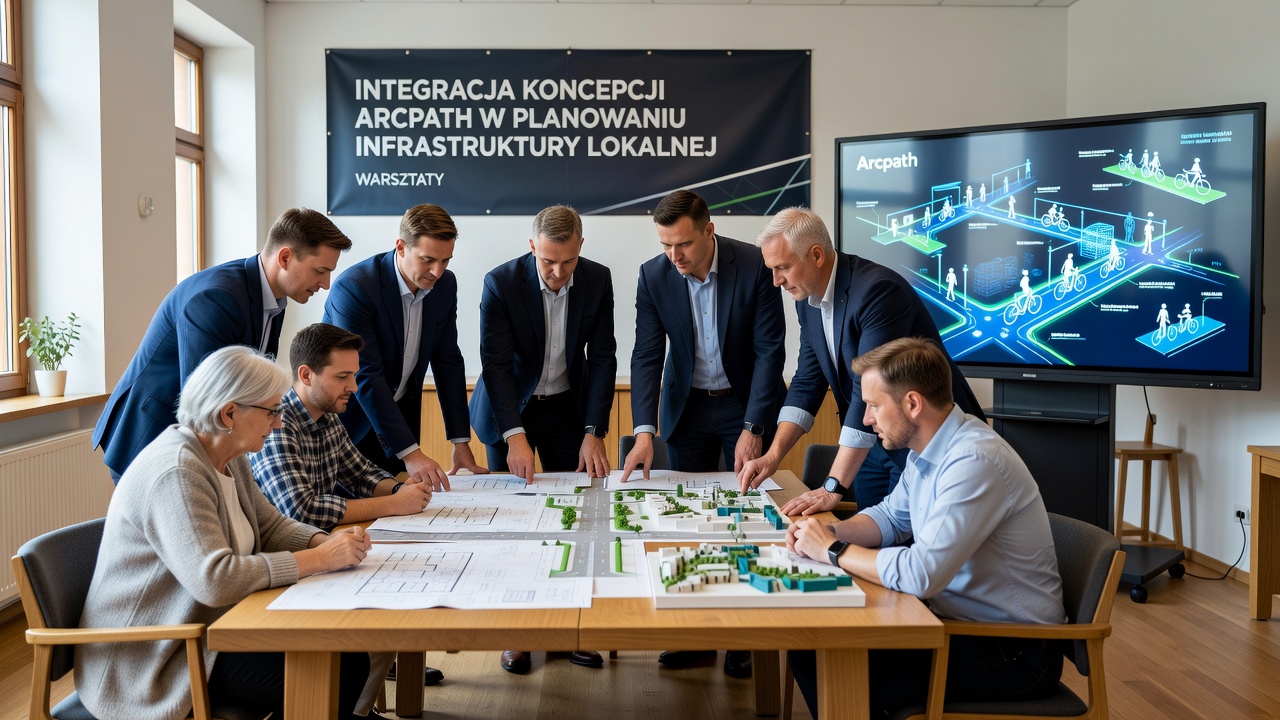
Arcpath concepts center on sequential learning modules that connect technical infrastructure decisions with broader environmental and social factors, and towns such as those in the Podkarpackie and Warmińsko-Mazurskie regions have started embedding these modules directly into workshop agendas. Participants review case data from previous regional projects, then apply mapping tools to identify priority areas for road networks, water systems, and green corridors before moving into simulation exercises that test multiple layout options. This sequence allows local officials and community representatives to build shared understanding without requiring external consultants for every step.
Workshops typically run over two or three days with structured sessions that alternate between presentations of Arcpath-derived models and hands-on group work using simplified software interfaces. Data from comparable towns shows that these formats increase the number of feasible project proposals generated per session by roughly 40 percent when compared with traditional one-day meetings, according to records maintained by the Polish Ministry of Development Funds and Regional Policy.
Implementation Patterns Across Towns
In places like Krosno and Suwałki, planning teams have scheduled recurring workshops every six months to track progress on infrastructure upgrades while introducing new Arcpath training segments focused on cost-benefit analysis and stakeholder mapping. Residents receive advance materials that outline key principles, which reduces the time spent on introductory explanations during the sessions themselves. Local governments report that this preparation step has led to higher attendance rates and more targeted feedback on proposed designs.
One notable adaptation involves pairing Arcpath concepts with existing EU-funded regional development programs, where towns align workshop outputs with grant application requirements. This alignment creates direct pathways from workshop results to funding submissions, and several municipalities completed their first full cycle of this process during the 2025 planning round. Figures from the European Commission regional policy portal indicate that Polish towns applying structured planning methodologies similar to Arcpath have maintained steady submission volumes even as overall competition for resources has increased.
Training and Capacity Building
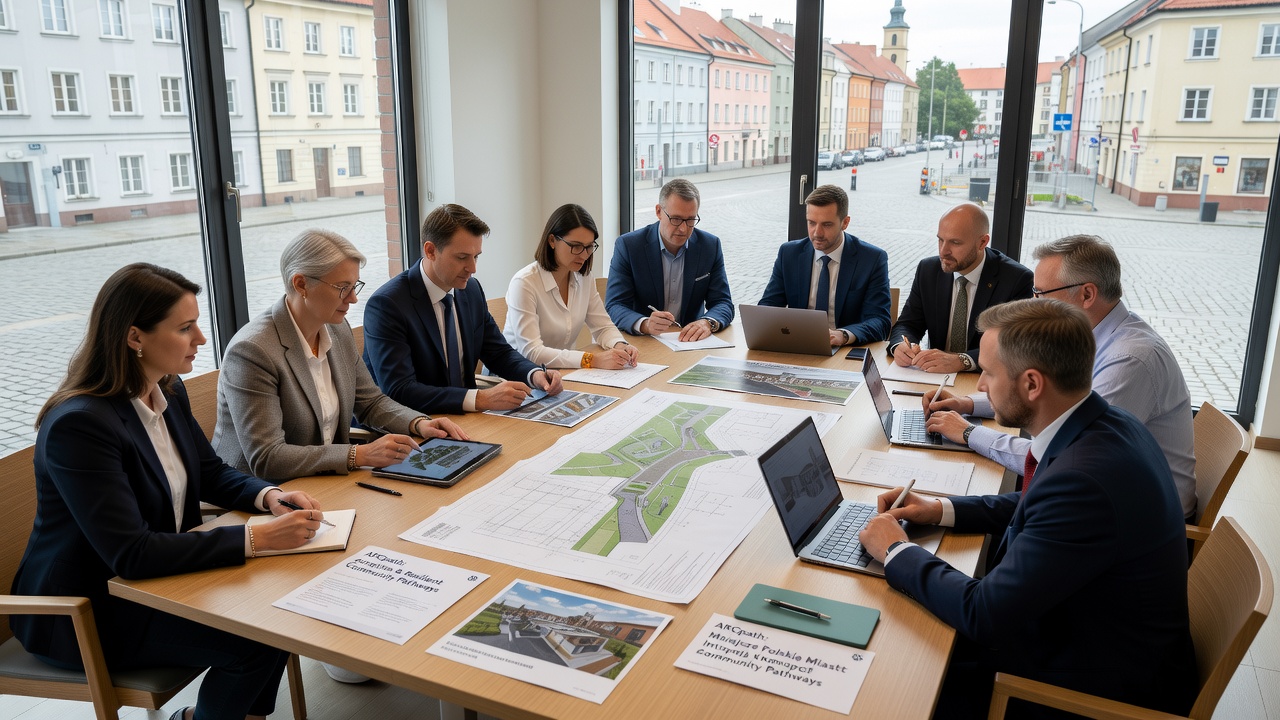
Capacity building occurs through short certification tracks that local planners complete alongside the workshops, and these tracks draw content from arcpath.edu.pl resources adapted for municipal use. Trainers emphasize practical application over theory, guiding participants through exercises that convert abstract concepts into concrete infrastructure scenarios relevant to their specific towns. By October 2026 several additional towns plan to launch their own versions of these tracks after observing results from pilot groups.
Collaboration between neighboring municipalities has emerged as a recurring feature, with joint workshops allowing smaller communities to pool expertise on shared challenges such as regional transport links or watershed management. This approach distributes the workload of preparing materials and analyzing outcomes across multiple administrations while still preserving town-specific priorities during the final decision phases.
Measurement and Follow-Up Processes
Follow-up mechanisms track how workshop outputs translate into actual infrastructure projects, and participating towns maintain public dashboards that display timelines, budgets, and completion rates. These dashboards incorporate Arcpath metrics such as connectivity scores and adaptability indices, which provide consistent benchmarks across different locations. Observers note that transparency around these metrics has encouraged neighboring communities to request similar reporting standards in their own planning cycles.
Conclusion
Smaller Polish towns continue to refine their use of Arcpath concepts within infrastructure workshops by adjusting session lengths, participant groups, and measurement tools based on accumulated experience. The pattern shows steady expansion into additional municipalities as documented results from early adopters become available, and ongoing coordination with national and European programs supports further integration efforts through 2026 and beyond.