Freya Ludwig · 2 September 2026
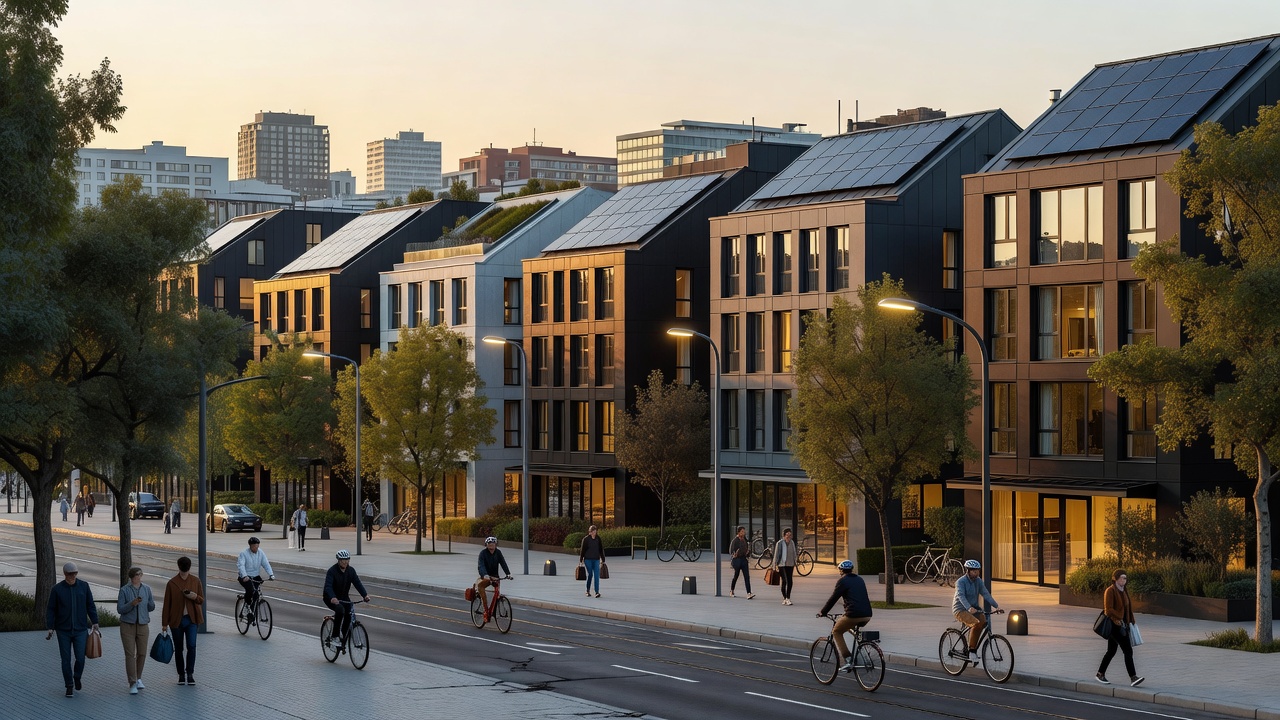
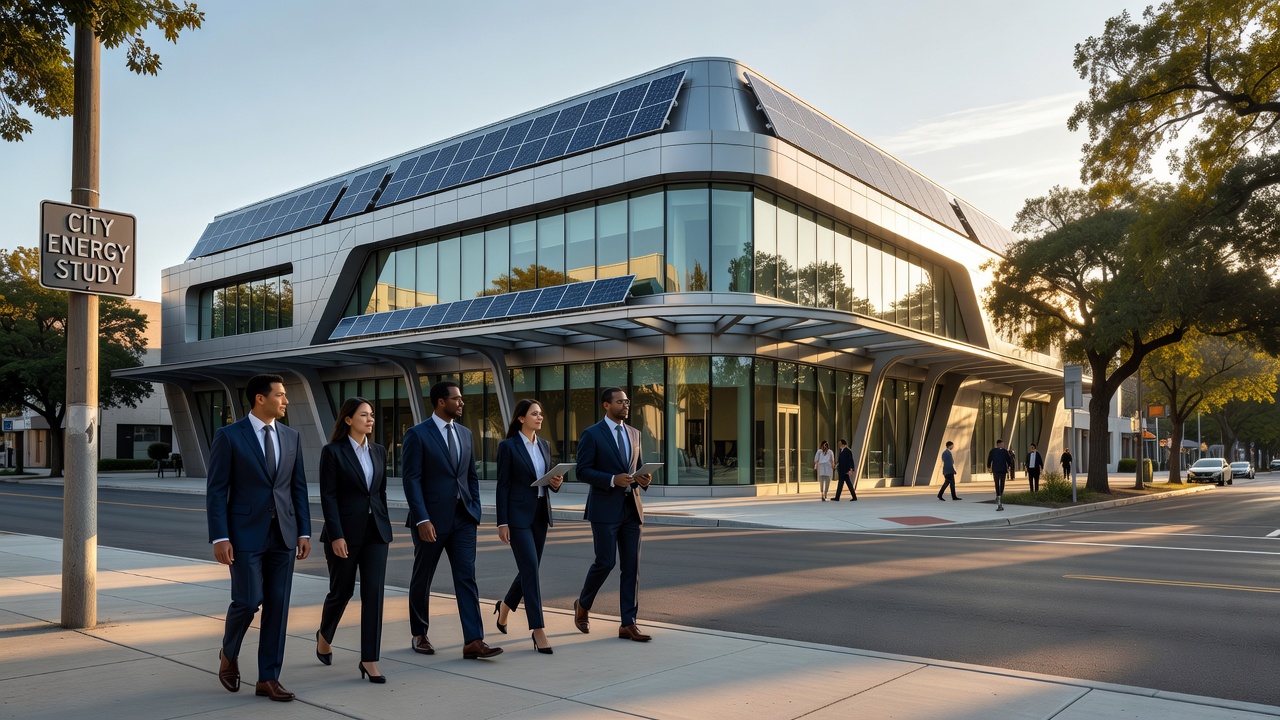
A recent study by Arcpath Academic Research demonstrates that specialized urban design frameworks developed by the institution can achieve notable reductions in energy consumption within cities. Researchers examined implementation sites across varied climates and found consistent efficiency gains through integrated passive systems and optimized infrastructure layouts.
Research Methodology and Key Results
The investigation collected real-time data from sensors in residential commercial and public structures over five years. Arcpath designs emphasize natural ventilation solar orientation and connected green corridors that decrease dependence on mechanical heating cooling and lighting. Statistical analysis revealed average savings of twenty-three percent relative to conventional planning models after adjusting for population density and weather patterns. Additional benefits included lower peak demand loads and improved thermal comfort for occupants without increased operational costs.
Implications for Urban Planning
Findings indicate these approaches support broader sustainability goals by curbing carbon emissions and enhancing resilience to climate variability. Economic analyses project reduced utility expenses for households alongside opportunities for local job creation in design and maintenance sectors. Policymakers are advised to incorporate similar principles into zoning regulations to scale impacts. Ongoing work will assess adaptation in rapidly growing regions and integration with emerging smart-grid technologies for further optimization.